Richmond Council permit rules for street loading in TW1
Posted on 26/06/2026
Richmond Council permit rules for street loading in TW1: a practical guide for safe, legal loading
If you are planning a move, a delivery, or even a bulky pickup in TW1, the small details around curbside loading can decide whether the day runs smoothly or turns into a headache. Richmond Council permit rules for street loading in TW1 matter because loading outside your door is not just about convenience; it is about where you can stop, for how long, and whether you need permission before the van even pulls in. One missed step and you can be dealing with a penalty, a delay, or a very awkward conversation with your driver.
This guide breaks the process down in plain English. You will see how street loading usually works in practice, where the risks sit, which checks matter most, and how to plan the whole thing without overcomplicating it. If you are moving home, it also helps to read our guide on moving house without the stress and our practical notes on packing that makes the day easier.
Contents
- Why Richmond Council permit rules for street loading in TW1 Matters
- How Richmond Council permit rules for street loading in TW1 Works
- Key Benefits and Practical Advantages
- Who This Is For and When It Makes Sense
- Step-by-Step Guidance
- Expert Tips for Better Results
- Common Mistakes to Avoid
- Tools, Resources and Recommendations
- Law, Compliance, Standards, or Best Practice
- Options, Methods, or Comparison Table
- Case Study or Real-World Example
- Practical Checklist
- Conclusion
- Frequently Asked Questions
Why Richmond Council permit rules for street loading in TW1 Matters
TW1 is one of those places where the road layout can make a simple job feel a bit fiddly. Residential streets, commuter traffic, school runs, narrow corners, parked cars, and flats with awkward access all combine to make kerbside loading more sensitive than people expect. That is why understanding the permit rules matters before the van arrives, not after.
In practical terms, the rules help manage who can stop, where they can stop, and whether the vehicle is allowed to remain there long enough to load or unload safely. If you are moving a sofa at 8:30 in the morning, or collecting a heavy fridge just as the street is getting busy, the difference between "allowed" and "not allowed" can be the difference between a calm ten-minute load and a messy scramble.
There is also a customer service angle here. When people prepare the loading plan properly, the whole move feels smoother, the crew can work safely, and the neighbour who needs to get out of the street is less likely to be annoyed. Let's face it, no one wants to be the reason a bin lorry is stuck behind a removal van for twenty minutes.
For local moves, this matters even more because the tightest part of the day is often not the packing, but the parking. If you are unsure about the access side of things, a useful companion read is parking and access tips for a Northumberland Road move.
How Richmond Council permit rules for street loading in TW1 Works
Street loading rules usually revolve around whether the vehicle is permitted to stop for loading or unloading, whether the activity is immediate and continuous, and whether the road markings or restrictions allow that stop in the first place. In many parts of London, that distinction matters more than people expect. A vehicle may be able to stop briefly for active loading, but not park as if it were staying for the afternoon.
When a council permit is involved, it is usually about formal approval for using a parking bay, suspended space, or other controlled area for loading activity. The exact process can vary, and you should always confirm the latest local position before relying on advice from memory or a neighbour. Rules can change, and street-by-street conditions often matter. That is especially true around busier TW1 roads, where loading bays, resident bays, and timed restrictions may all sit close together.
The safest way to think about it is this:
- Check what restriction applies to the exact spot.
- Confirm whether loading is permitted under those restrictions.
- Decide whether your vehicle needs a specific permit, waiver, or bay arrangement.
- Make sure the loading is genuine, active, and not just idle waiting.
- Keep the operation as short and efficient as you reasonably can.
That last point sounds obvious, but it matters. Officers and enforcement teams are generally looking at the reality on the street: is the vehicle actively loading, or has it become a parked van with the hazard lights on? Big difference.
For a broader sense of how timing affects removals in the local area, see the best times to move on St Margarets Road. Timing and access go hand in hand.
Key Benefits and Practical Advantages
Getting the loading side right is not just about compliance. It improves the whole move.
- Fewer penalties and disputes - no one wants a parking charge landing after an already expensive move.
- Faster handling - the team can concentrate on moving items, not circling for a spot.
- Better safety - shorter carry distances reduce fatigue and reduce the chance of damage.
- Less disruption for neighbours - a tidy, organised load in and load out is simply easier on everyone.
- Lower stress on the day - and that is worth a lot when you are juggling keys, boxes, and a phone that will not stop buzzing.
There is a quieter benefit too: better planning usually means better decision-making. If you know the van can only load for a limited window, you pack more efficiently, keep essentials separate, and avoid the "where did we put the kettle?" moment. We have all seen that one.
If your move includes awkward pieces, the loading rules become even more important. A heavy item does not get easier just because the kerb is inconvenient. For guidance on lifting, the article on handling heavy loads yourself is worth a look, and so is our piece on kinetic lifting techniques if you want better movement mechanics.
Who This Is For and When It Makes Sense
These rules are relevant to a wider group than first-time movers. In practice, they matter for anyone who needs to stop a vehicle on-street for a loading task in TW1.
- Home movers relocating from flats, terraced homes, or houses with limited drive access.
- Landlords and tenants handling end-of-tenancy removals, urgent departures, or inventory-related moves.
- Small businesses moving stock, equipment, or office furniture.
- Student movers who often work with tight budgets, awkward entry times, and plenty of boxes.
- People collecting bulky items such as wardrobes, appliances, or a bed frame.
It makes sense to think about permit rules whenever the van cannot just pull into a private driveway or a dedicated off-street bay. If the plan relies on "we'll just stop outside for a minute", that is usually where things go off course. A quick minute has a funny habit of turning into half an hour.
If you are moving a bed or mattress, for instance, the whole job tends to go better when access is planned properly. The guide to transporting a bed and mattress is a helpful companion piece. If storage is part of the plan, storage options in St Margarets can also reduce pressure on the day, even though that is not a loading permit solution in itself.
Step-by-Step Guidance
Here is the most practical way to organise street loading in TW1 without overthinking it.
- Identify the exact address and road position. Do not just guess the street. A different side of the road can mean different restrictions.
- Check whether the vehicle can stop legally for loading. Look at loading signs, bay markings, and any timed controls. If there is any doubt, assume there is a restriction until proven otherwise.
- Work out what type of loading you are doing. A few light boxes is not the same as moving a piano, dishwasher, or full flat contents.
- Decide whether you need a permit or managed bay access. Some situations need prior approval; some may not. The key is confirming in advance.
- Plan a realistic time window. Be generous. A tight slot with no margin is risky, especially if lifts, stairs, or traffic are involved.
- Prepare the property before the vehicle arrives. Get doors open, items staged, and corridors clear. The best loading plan in the world does not help if the hallway is still full of loose odds and ends.
- Keep a copy of your arrangements handy. If a query arises, you want the key details in one place rather than hunting through messages.
- Load continuously and efficiently. If loading is paused, make sure that pause is necessary and not just a delay caused by poor preparation.
A small but useful detail: if there is a lift, check that it is booked or accessible when needed. Nothing adds friction like a removal team waiting at street level while someone upstairs hunts for a building fob. It happens more often than people admit.
For a smoother packing sequence, our packing and boxes support page can help you think about materials and box sizes before moving day.
Expert Tips for Better Results
After many local moves, a few patterns become very clear. The best loading plans are boring in the best possible way. No drama, no improvising, no last-minute street politics.
- Choose off-peak timings where possible. Early mornings or quieter midday windows often reduce friction, though every street is different.
- Put bulky items near the exit before the vehicle arrives. It sounds basic, but it can save a surprising amount of time.
- Separate fragile items from the main traffic flow. You do not want boxes of glassware sitting beside a door that keeps swinging open.
- Use the shortest safe carry route. Sometimes that means taking an extra minute to open the right entrance rather than using the first door you see.
- Have one person managing the street side. That person can keep an eye on the vehicle, neighbours, and timing. A tiny role, but very useful.
Truth be told, one of the biggest wins is just removing uncertainty. People relax once they know where the van is stopping and for how long. The rest tends to fall into place.
For more on safer handling, especially when you are shifting heavy items yourself, you may also find why piano moving is best left to professionals useful. It is not just about the instrument; it is about protecting people, floors, and doorframes too.
Common Mistakes to Avoid
Most problems come from one of these errors:
- Assuming loading is always allowed. It often is not, at least not in the way people expect.
- Confusing "stopping" with "parking." The difference matters a lot in enforcement terms.
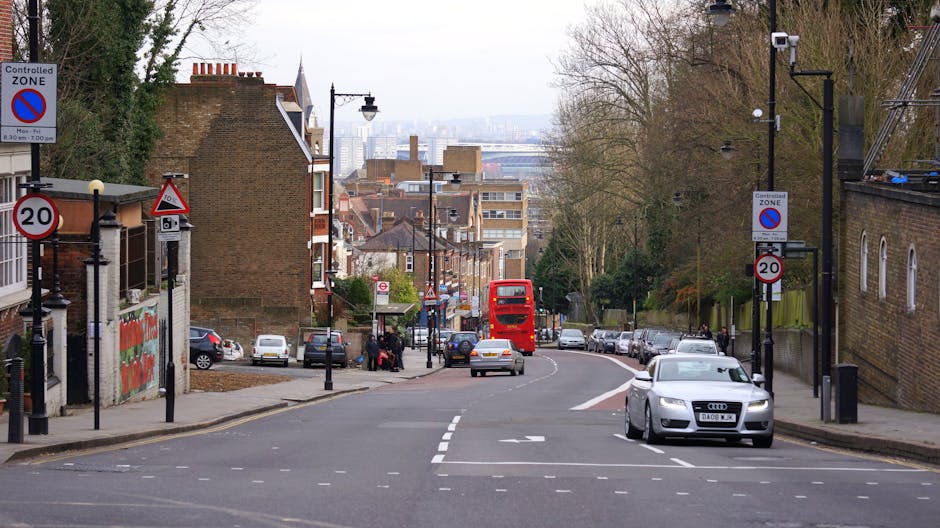
- Not checking the exact kerbside conditions. A bay, a double yellow line, or a resident restriction can change the picture completely.
- Leaving the plan too late. Last-minute arrangements are where stress and penalties live.
- Underestimating how long loading takes. Especially with stairs, narrow hallways, or delicate furniture.
- Failing to brief the driver or movers. If they are arriving blind, they are already behind.
One very common mistake is thinking that "it'll only be five minutes" is a valid parking strategy. Five minutes is exactly how some people end up with a ticket and a bruised ego. Not ideal.
If you are trying to avoid moving-day surprises more broadly, this guide on pricing traps is useful alongside the loading rules, because access problems often show up as extra time on the invoice.
Tools, Resources and Recommendations
You do not need fancy kit to get loading right, but a few practical tools make life easier.
- Notebook or move sheet - to record timing, address details, and access notes.
- Phone with messages saved - useful for keeping permit details or booking confirmations to hand.
- Measuring tape - because vans, doorways, stairwells, and sofas have a habit of disagreeing with each other.
- Protective blankets and straps - they help once the loading starts.
- Labelled boxes - this speeds everything up and cuts down on chaos.
Useful planning pages on this site include services overview, removal services in St Margarets, and man and van support in St Margarets. Those pages are helpful if your loading plan is part of a wider move and you want the transport side organised as well.
When furniture is involved, the pages on furniture removals and flat removals are especially relevant, because the loading method often changes depending on whether you are moving a bed, a wardrobe, or a full flat's worth of items.
Law, Compliance, Standards, or Best Practice
Without pretending to be a legal manual, the key principle is simple: do not assume a loading stop is automatically allowed just because the van is doing a job. Street restrictions, bay markings, and local traffic controls still matter. In London, these rules are usually enforced carefully, so a "temporary stop" may still need to fall within a specific loading exemption or a permitted arrangement.
Best practice is to treat loading as a managed activity, not an informal convenience. That means checking the street restrictions, keeping the loading active, avoiding unnecessary waiting, and making sure the vehicle is not blocking visibility or access. If the move involves heavy lifting, use safe manual handling habits too. A safe move is not just about avoiding fines; it is also about avoiding strain, drops, and damage.
For that reason, it is sensible to align loading plans with your mover's safety policy and insurance approach. If you want to understand how a professional team thinks about risk, the health and safety policy and insurance and safety information pages are worthwhile reading. They show the kind of care that matters when the work gets physical.
Options, Methods, or Comparison Table
Different loading setups suit different situations. Here is a straightforward comparison.
| Method | Best for | Pros | Watch-outs |
|---|---|---|---|
| Private driveway or forecourt | Houses with off-street access | Least disruptive, easiest to control | Not always available in TW1 |
| Kerbside loading with permitted stop | Quick house or flat moves | Close access, efficient if planned well | Must check street restrictions carefully |
| Loading bay or managed bay access | Heavier or more structured moves | More organised, better for longer loads | May require advance approval or timing discipline |
| Off-street staging then shuttle loading | Tight roads or restricted streets | Reduces road disruption | More carrying, more time, more effort |
In many TW1 jobs, the best option is simply the one that reduces friction the most while staying within the rules. Sometimes that is kerbside loading. Sometimes it is a short walk from a side street. Sometimes the answer is to stage items differently and avoid a bad parking position altogether.
If you are comparing move types, you might also find best loading bays near Orleans Park Estate helpful as a local access reference point.
Case Study or Real-World Example
Imagine a small flat move in TW1 on a weekday morning. The tenant has a sofa, a double mattress, six medium boxes, a coffee table, and a couple of fragile lamps. The road is narrow, cars are parked on both sides, and school traffic starts building before 8:30. If the van turns up without a loading plan, it may end up waiting in the wrong spot, causing delays while the items are carried further than expected.
Now compare that with a prepared approach. The mover checks the restrictions the day before, confirms the vehicle can stop in the chosen position for active loading, and arranges the items near the entrance in the order they will go out. The sofa is moved first, the mattress second, fragile items are boxed separately, and the driver keeps the engine ready to move on once the load is complete. The whole job feels calmer. The street is less blocked. The day is, frankly, less annoying for everyone.
That is the real value of understanding permit rules. Not paperwork for paperwork's sake, but a cleaner, safer, quicker move.
Practical Checklist
Use this before any street loading job in TW1:
- Check the exact address and side of the street.
- Confirm the parking or loading restriction on the road.
- Decide whether the vehicle needs a permit or bay arrangement.
- Set a realistic loading window with some buffer.
- Keep the route from property to van as short and clear as possible.
- Pre-stage boxes and furniture before the vehicle arrives.
- Brief everyone involved on timing and responsibilities.
- Keep a phone with all move notes to hand.
- Use safe lifting methods for heavy or awkward items.
- Make sure the loading activity stays active and continuous.
- Leave enough room for neighbours, pedestrians, and visibility.
- Double-check the final sweep of the property before leaving.
If you are preparing a larger move, the pages for house removals, office removals, and student removals can help you match the scale of the move to the right level of support.
Conclusion
Richmond Council permit rules for street loading in TW1 can feel a bit technical at first, but the real goal is simple: keep the move legal, efficient, and safe. If you know where the van can stop, how long it can stay, and what the local restrictions mean in practice, you remove a huge amount of stress from the day. That leaves you free to focus on the real job: getting the right things from A to B without damage, delay, or a parking surprise.
The best moves are the ones where the loading plan is sorted before the first box leaves the hallway. A little preparation goes a long way. And honestly, in a busy part of west London, that is half the battle won.
Get a free quote today and see how much you can save.