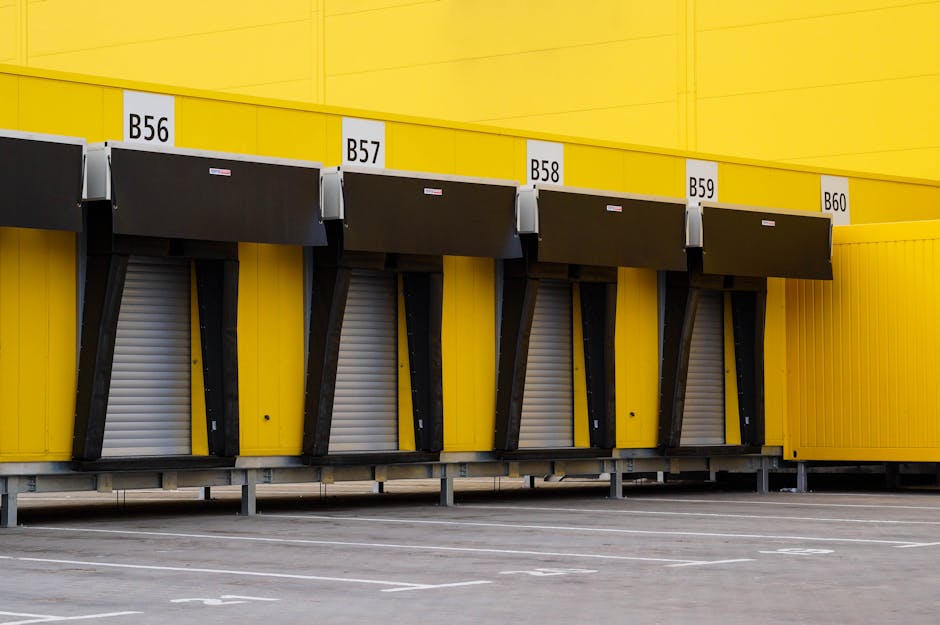
Best loading bays near Orleans Park estate, St Margarets: a practical local guide for easier moving days
If you are trying to work out the Best loading bays near Orleans Park estate, St Margarets, you are probably dealing with a familiar headache: tight roads, awkward parking, a van that needs a decent stopping point, and a moving day that already feels too full. Truth be told, the difference between a smooth load-in and a stressful scramble is often just a few minutes of planning. A good loading bay, or at least a sensible stopping strategy, can save energy, reduce damage, and help keep neighbours onside.
This guide is written for anyone moving into or out of the Orleans Park estate area, or supporting a local move nearby. We will look at how loading bays work in practice, what to check before you commit to one, how to avoid common mistakes, and which moving choices tend to make life easier in St Margarets. If you need broader help planning the move itself, you may also find our services overview useful, along with practical reads like moving house without the stress and packing tips that make a real difference.
Table of Contents
- Why Best loading bays near Orleans Park estate, St Margarets Matters
- How Best loading bays near Orleans Park estate, St Margarets Works
- Key Benefits and Practical Advantages
- Who This Is For and When It Makes Sense
- Step-by-Step Guidance
- Expert Tips for Better Results
- Common Mistakes to Avoid
- Tools, Resources and Recommendations
- Law, Compliance, Standards, or Best Practice
- Options, Methods, or Comparison Table
- Case Study or Real-World Example
- Practical Checklist
- Conclusion
- Frequently Asked Questions
Why Best loading bays near Orleans Park estate, St Margarets Matters
Loading access is one of those things people only think about once the sofa is already halfway out the door. In a place like St Margarets, where residential streets can be busy, parking can be limited, and access routes may be narrow or heavily used, the right loading point matters a great deal. If you pick badly, you can end up carrying boxes farther than expected, blocking a lane longer than intended, or rushing heavy items down a tight stairwell. Nobody enjoys that, least of all the person carrying the fridge.
The Orleans Park estate area is especially worth planning carefully around because moving there often means balancing access, timing, and courtesy. A bay close enough to the entrance can reduce carry distance dramatically. That matters for bulky items, awkward furniture, and fragile loads. It also matters for time. A van parked a little closer means fewer trips, less fatigue, and a lower chance of damage to both the property and the item.
There is also a neighbourly side to this. Good loading practice helps keep walkways clear, avoids unnecessary obstruction, and makes the whole move feel more controlled. In London, where everyone seems to be in a hurry by about 8:15 in the morning, being considerate is not just polite; it is smart planning.
If your move includes larger items, it is worth reading about furniture removals in St Margarets and the safer lifting approaches explained in solo lifting safely. The point is simple: access affects everything downstream.
How Best loading bays near Orleans Park estate, St Margarets Works
There is no single universal loading bay setup that fits every street near Orleans Park estate. Some areas have formal parking restrictions, some have timed loading allowances, and some rely on practical street-side stopping that must be managed carefully. The exact arrangement depends on the road layout, local traffic conditions, and any applicable parking rules. Because of that, the best approach is usually a mix of planning, observation, and common sense.
In practice, a good loading bay or temporary loading point works like this:
- You identify the nearest lawful place for a van to stop safely.
- You check whether the space is restricted by time, permit, or signage.
- You plan your move so the heaviest items come out first while the bay is free.
- You keep the pathway clear and the loading process efficient.
- You stay ready to move the van if the space is only for short-term use.
That short-term thinking matters. A loading bay is not the same as a long-stay parking space. Even where loading is allowed, it may be limited to goods-in/goods-out activity only. If you are unsure, check the signs on the street and allow extra time. Sounds obvious, but in the middle of a move people often overlook the simplest thing and then regret it later.
For flat moves especially, access planning can save the day. Our flat removals St Margarets page is a useful next step if you are dealing with stairwells, communal entrances, or lift schedules. If your belongings need extra care, there are also sensible packing approaches in our bed and mattress transport guide.
Key Benefits and Practical Advantages
The main benefit of choosing the right loading bay is speed, but the real value goes a bit deeper than that. A well-planned stop reduces physical strain, protects property, and helps you stay organised while the pressure is on. Here are the advantages people usually notice first.
- Shorter carry distances: Less walking with heavy boxes means less chance of injury and less time wasted.
- Lower risk of damage: Smoother movement from van to doorway helps protect items like mirrors, wardrobes, and appliances.
- Less stress: A clear loading plan gives the day a rhythm. You can feel the difference immediately.
- Better timing: If you only have a short slot, every minute counts.
- Improved safety: Fewer awkward lifts and less clutter around the van means fewer accidents.
- Better neighbour relations: A tidy, efficient move is much less disruptive.
There is a practical bonus too. When access is good, you can usually pack the van more efficiently. Heavy items go in first, delicate items are protected more easily, and the whole load is less likely to shift on the road. If you are comparing moving help, a local man with a van in St Margarets can be a flexible choice for smaller and mid-sized moves, while fuller moves may be better handled through removals in St Margarets.
Expert summary: the best loading bay is not always the closest one on the map; it is the one that gives you safe access, legal stopping time, and a clean route from van to front door. That is the real win.
Who This Is For and When It Makes Sense
This topic matters to more people than you might think. It is not just for families moving house. Loading access becomes important whenever bulky items need a van, especially in a residential area where space is tight.
You are likely to benefit from planning the best loading point if you are:
- moving into or out of a flat near Orleans Park estate
- organising a student move with boxes, bags, and small furniture
- relocating office equipment or files
- transporting large household furniture
- moving a piano or other fragile heavy item
- using same-day transport with little room for delay
Some moves are deceptively simple. A single sofa, a mattress, or a freezer can still become awkward if the van is parked too far away. If you are moving a sofa into storage or out of a tight living room, the detail in long-term sofa storage tips may be more relevant than you first expect. Likewise, if you are handling an appliance, the advice in preserving your freezer's lifespan when idle can prevent a very annoying problem later.
For some people, the issue is not even the move itself but the timing. School runs, commuting traffic, building access windows, and permit constraints can all shape the day. If you know your move will be tight, it may make sense to consider same-day removals in St Margarets or a more flexible service style.
Step-by-Step Guidance
Here is the simplest way to approach loading bay planning near Orleans Park estate without turning it into a full spreadsheet exercise. A bit of structure goes a long way.
- Check the address and route first. Before anything else, look at the exact pick-up and drop-off point. Small differences in road position can change everything.
- Read the street signage carefully. Loading restrictions can be easy to miss if you are rushing. Signs matter more than assumptions.
- Decide what type of vehicle you need. A smaller van may fit a space more easily, while a larger van may reduce trips but need better access.
- Match the van position to the heaviest items. Put the van where lifting distances are shortest for the biggest, most awkward pieces.
- Pre-pack in loading order. Make sure the first things out are easy to grab. You do not want to bury the kettle under six bags and a lamp.
- Protect your route. Remove trip hazards, hold doors open where sensible, and keep wet weather in mind.
- Load in a sensible sequence. Heavy items first, fragile items cushioned, loose items secured. It sounds basic because, well, it is basic.
- Keep the move moving. If the space is limited, do not linger. Efficiency is part of good etiquette too.
If you are not sure how to organise all this, our man and van service in St Margarets can be a practical option for smaller loads, while larger or more complicated moves may be better suited to a fuller house removals service. Either way, the principle is the same: access planning first, lifting second.
Expert Tips for Better Results
A few small decisions often make the biggest difference on moving day. In our experience, these are the habits that separate a smooth job from a chaotic one.
1. Arrive earlier than you think you need to
Traffic in and around west London can be unpredictable, and delays have a nasty habit of clustering together. Leave a buffer. A fifteen-minute margin can feel like a luxury, but on a wet Tuesday morning it feels like a lifesaver.
2. Keep the heaviest items closest to the exit
This is especially useful for wardrobes, white goods, and stacked boxes. If you know what needs two people or a trolley, place it so it is easiest to reach. That way, you are not undoing your own packing before the move has even properly started.
3. Use the right moving help for the job
Not every move needs a large team, but not every move should be done solo either. If you are unsure about lifting technique, the practical advice in kinetic lifting techniques is well worth reading before you attempt a heavy lift. A bit of caution can spare your back a lot of grief.
4. Think about storage before the van arrives
If some items are not going straight into the new place, plan that in advance. A dependable storage option in St Margarets can stop clutter from building up at the wrong end of the move.
5. Pack for the loading point, not just the destination
This one is missed all the time. If you know the van is a short walk away, boxes should be grippable, clearly labelled, and not overfilled. If the carry is longer, lighter but sturdier boxes often work better. Simple, yes. But useful.
And one slightly unglamorous tip: keep a small bag with tape, scissors, wipes, bin bags, and a bottle of water. Moving days are strangely thirsty affairs.
Common Mistakes to Avoid
Loading mistakes tend to be repetitive. The good news is that once you know them, they are easy to dodge.
- Assuming a space is available: Never rely on wishful thinking. Check signs, restrictions, and realistic stopping options.
- Underestimating carry distance: Ten extra metres does not sound like much until you have carried a fridge box twice.
- Packing without a loading plan: Random packing creates random unloading. That is not a plan.
- Leaving the heaviest pieces for last: This causes fatigue when you are already tired, which is when slips happen.
- Ignoring weather: Rain makes surfaces slick and cardboard weak. London rain has a habit of turning up uninvited.
- Trying to lift too much alone: If it is awkward, oversized, or unstable, get help. Really.
- Not checking building access rules: Flats, estates, and managed properties may have their own access expectations.
If you are managing a lot of items, a tidy pre-move sort can help far more than people expect. Our guide to decluttering before relocating is a strong companion piece here, because the fewer unnecessary items you carry, the simpler the loading becomes.
Tools, Resources and Recommendations
You do not need a warehouse full of equipment to handle a local move well, but the right basics make a real difference. A few items are worth having to hand.
| Tool / Resource | Why it helps | Best for |
|---|---|---|
| Furniture blankets | Protects wood, painted surfaces, and corners during loading | Wardrobes, tables, cabinets |
| Ratchet straps or tie-downs | Keeps items stable in the van | Mixed loads, tall items |
| Moving trolley or sack truck | Reduces strain on long carries | Appliances, heavy boxes |
| Labels and marker pens | Speeds up unloading and sorting | Everything, honestly |
| Floor protection | Protects interiors from scuffs and dirt | Flats, shared hallways |
| Reusable packing materials | Useful and less wasteful than single-use options | Smaller household moves |
It also helps to choose a service that matches the kind of move you are doing. For example, if you are moving a few pieces of furniture and a handful of boxes, a removal van in St Margarets may be enough. If you are moving a whole household, removal services with more support can save a lot of friction. If you are planning to reuse, donate, or dispose of items responsibly, the page on recycling and sustainability is worth a look too.
Law, Compliance, Standards, or Best Practice
When you are stopping a van near a residential estate, the safest approach is to treat signage, local parking controls, and building instructions seriously. Loading and unloading may be permitted in some areas, but only under certain conditions. Those conditions can include time limits, direction of travel, kerbside restrictions, permit rules, or the need to keep access clear for others.
Because local parking rules can vary, you should always check the current on-street signs and any estate-specific guidance rather than relying on memory or old habits. That is especially true in London, where restrictions can be surprisingly specific. If the property has a management company, concierge, or resident guide, follow it carefully. It may not be glamorous, but it saves headaches.
From a safety point of view, the main best practices are straightforward:
- keep emergency access routes clear
- do not block pedestrian paths unnecessarily
- use correct lifting technique
- secure loads properly in the vehicle
- avoid rushing heavy lifts in poor light or wet conditions
If you want reassurance around handling and general service standards, you can also review the company's health and safety policy and insurance and safety information. That kind of transparency matters, especially when the move includes valuable or awkward items.
Options, Methods, or Comparison Table
Different loading approaches suit different situations. Here is a simple comparison to help you think it through without overcomplicating things.
| Approach | Best for | Pros | Trade-offs |
|---|---|---|---|
| Closest lawful loading bay | Quick household or flat moves | Shortest carry, fastest turnaround | May be time-limited or unavailable |
| Street-side temporary stop | Small loads with flexible timing | Convenient if rules allow | Requires very careful checking |
| Managed estate access point | Flats and shared developments | Often more predictable | May need advance arrangement |
| Longer walk from legal parking | Busy areas or restricted streets | Sometimes the only compliant option | More labour, more time, more risk |
For many people near Orleans Park estate, the best option is whichever one gives you the cleanest legal access with the least carry distance. That might sound underwhelming, but it is usually true. Fancy solutions are not always the best solutions. A sensible one often is.
Case Study or Real-World Example
Imagine a two-bedroom flat move close to Orleans Park estate. The residents have a sofa, bed base, boxes of books, and a couple of awkward appliances. They initially assume the closest road section will do, but after checking the restrictions, they realise the most convenient space is actually one street over. Not ideal, but workable.
Instead of forcing the issue, they adjust the packing order. Heavier items are loaded first, the van is positioned to shorten the carry route, and the two largest pieces are handled with help rather than improvised solo lifting. The move still takes effort, of course, but it avoids the classic trap of trying to "make it work" in a poor location. That small change probably saves them more time than it costs.
There is a lesson in that. The perfect loading bay is not always about being right outside the door. Sometimes it is about choosing the most practical lawful option, then planning the rest of the move around it. A little flexibility goes a long way.
For more demanding household items, especially specialist pieces, the advice in piano removals in St Margarets and why piano moving is best left to professionals can be particularly relevant. Some objects are simply not worth improvising with.
Practical Checklist
Use this checklist before moving day. It keeps things calm, which is handy because moving can get a bit noisy and oddly forgetful.
- Confirm the exact pick-up and drop-off addresses
- Check the nearest lawful loading or stopping option
- Read the signs for time limits and restrictions
- Arrange permits or building access if needed
- Choose the right van size for the load
- Pack heavy items so they are easy to reach first
- Label boxes clearly by room and priority
- Protect fragile items with proper wrapping
- Use a trolley or lifting aids for heavy pieces
- Keep doors, hallways, and routes clear
- Prepare weather protection for rain or damp conditions
- Have tape, markers, and water ready to hand
- Review insurance and safety information before the move
- Plan where any surplus items will go, including storage
If you need packing materials, our packing and boxes page can help you get organised without last-minute panic. That alone can save a morning.
Conclusion
Finding the best loading bays near Orleans Park estate, St Margarets is really about making the move safer, simpler, and less tiring. The right stop point shortens carry distances, helps you stay within local rules, and gives you a much better chance of keeping the day under control. It is not just about convenience. It is about reducing pressure at exactly the point where moves tend to get messy.
Whether you are shifting a few bulky items, handling a full flat move, or planning something more complex, the same principle applies: check access early, pack with the loading point in mind, and choose the right support for the job. Do that, and the whole day usually feels lighter. Not effortless, no. But lighter. And that matters.
If you would like help planning a local move with proper access considerations, take a look at our removal company services in St Margarets, or start with a tailored quote and a sensible conversation about what you actually need.
Get a free quote today and see how much you can save.
Frequently Asked Questions
What is the best way to find loading bays near Orleans Park estate, St Margarets?
Start with the exact road and entrance you need, then check on-street signage and any estate guidance. The best option is the lawful stopping point that gives you the shortest safe carry, not just the nearest space on a map.
Can I use a loading bay for a whole moving day?
Not usually. Many loading bays are time-limited or restricted to active loading and unloading only. Always check the local signs and assume the bay is for short-term use unless you have clear permission otherwise.
Do I need a permit to load furniture near Orleans Park estate?
Possibly, depending on the exact street, parking controls, and any managed-property rules. Some locations may require advance arrangement, while others simply need careful timing. It is worth checking in advance rather than hoping for the best.
What if the closest loading bay is already occupied?
Have a backup plan ready. A nearby lawful stop, a later time slot, or a different route can save a lot of stress. In busy areas, having Plan B is just sensible, really.
Is it better to use a smaller van or a larger one?
It depends on access and load size. A smaller van may be easier to position near tight streets, while a larger van can reduce return trips. Think about the balance between manoeuvrability and capacity.
How far should a loading bay be from the property entrance?
As close as legally and safely possible. Shorter carry distances reduce strain and speed up the move, which matters most when you are lifting heavy or awkward items.
What should I do if I am moving bulky furniture from a flat?
Measure doorways, stairwells, and the route to the van before moving day. For larger pieces, use proper lifting technique and consider professional help. Our furniture removals service is designed for exactly that kind of job.
Can I leave items on the pavement while loading?
Only briefly and only if it does not create an obstruction or safety risk. Keep pathways as clear as possible, especially in residential areas where pedestrians, prams, and cyclists may pass frequently.
What if I am moving on a rainy day?
Protect boxes and floors, use non-slip care, and keep items covered where possible. Rain makes cardboard weaker and surfaces slicker, so a slower, more controlled pace is safer.
How can I make the loading process faster?
Pre-pack in the right order, label boxes clearly, keep the route clear, and park as close as legally possible. Simple organisation often saves more time than rushing ever will.
Are there services that can help with access planning as well as lifting?
Yes. A local moving team can help choose the right vehicle, plan timing, and handle loading efficiently. If you want a more hands-off approach, start with our removal services page and work from there.
What should I do with items that do not fit in the new place?
Consider storage, donation, recycling, or responsible disposal before moving day. Having a plan for surplus items stops the new home from filling up with boxes you never meant to keep. A good move often starts with a good decision to let a few things go.