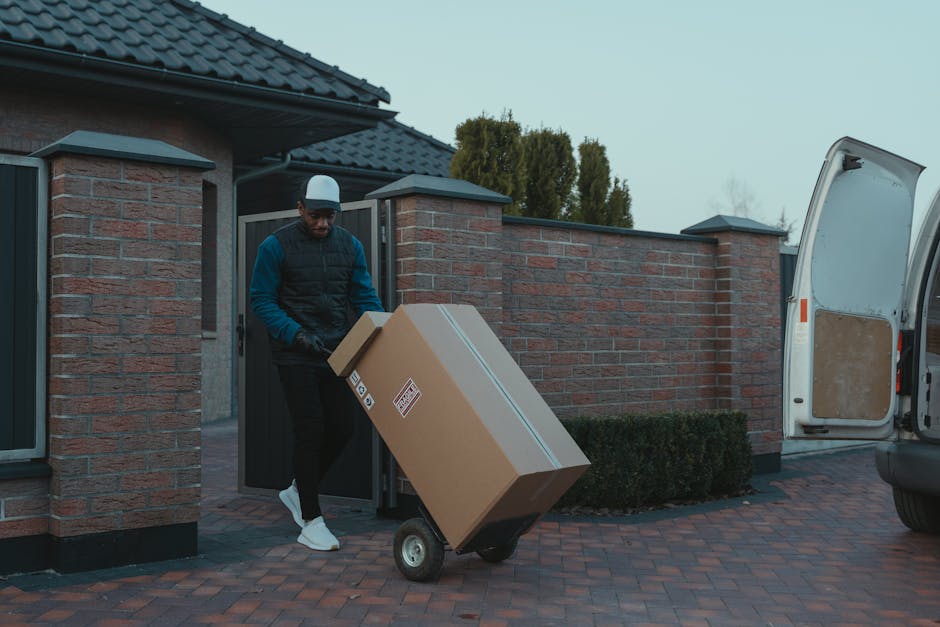
Man with van moves on Petersham Road TW1 access guide

If you are planning a move on Petersham Road in TW1, the details matter more than people expect. A van can look like the easy part, until you meet narrow stretches, parked cars, loading pressure, and the simple question of where the driver can actually stop. This Man with van moves on Petersham Road TW1 access guide is here to make that side of the move much clearer.
Whether you are shifting a few large items, moving out of a flat, or arranging a small business delivery, the practical challenge is the same: access. Can the van get close? Is there room to load safely? Will the timing work with local traffic and neighbours? In this guide, we walk through how it works, what to check in advance, and how to avoid those last-minute headaches that always seem to appear at the worst possible moment.
To be fair, most moving problems in London are not dramatic. They are small friction points added together. A tight kerb. A bad parking choice. A sofa that looked easier in the flat than it does on the stairs. The good news? With a bit of planning, Petersham Road moves can be handled smoothly and without turning the day into a scramble.
Why Man with van moves on Petersham Road TW1 access guide Matters
Petersham Road sits in an area where road layout, parking pressure, and everyday traffic patterns can quickly influence how easy a move feels. That might sound obvious, but in real life it is often the difference between a tidy one-hour loading job and a messy afternoon of double parking, carrying items further than expected, and trying not to block anyone's driveway. You know the type of day.
This matters because a man and van service is usually chosen for flexibility. People want something nimble, local, and cost-conscious. But that flexibility only works if the access is understood properly. If the van cannot stop near the entrance, or if the street makes turning awkward, the whole plan changes. Suddenly you need more time, more hands, or a different vehicle approach.
For homes and businesses along Petersham Road, access planning also helps you protect your belongings. Less dragging. Less lifting over awkward distances. Less chance of damage to furniture, walls, or stair rails. And yes, less stress for you as well. Truth be told, moving day is rarely improved by surprises.
There is also a neighbourliness angle here. Good access planning reduces disruption for nearby residents, pedestrians, and other road users. That can matter just as much as the move itself, especially in a local residential setting where everyone notices when a van is blocking the way a bit too long.
Key takeaway: the smoother the access plan, the cheaper, safer, and less stressful the move usually becomes. A few minutes of preparation can save a lot of lifting and confusion later.
If you are comparing move types across the wider area, pages like man with van and removal services can help you understand what level of support fits your job.
How Man with van moves on Petersham Road TW1 access guide Works
The basic process is simple. A man with van service arrives with a suitable vehicle, loads your items, transports them, and unloads at the destination. What makes Petersham Road different is the access planning around that core service. In practice, the job is shaped by where the van can stop, how long it can stay there, and how easy it is to move items between property and vehicle.
Here is what usually happens on a well-planned move:
- Initial access check. The mover asks about the street, building type, floor level, parking restrictions, entry route, and any awkward items.
- Vehicle choice. A smaller or medium-sized van may be better if the road is tight or parking space is limited. Bigger is not always better. Surprising, but true.
- Timing plan. The move is scheduled around traffic, loading opportunities, and any local restrictions.
- Loading route planning. The shortest safe path from door to van is mapped out. This saves time and reduces strain.
- Protection and handling. Blankets, straps, and trolleys are used where needed so items stay secure and walls stay unmarked.
That is the clean version. Real moves are a bit messier. A resident may move a car. Someone may leave bins where the team hoped to stop. A staircase might be narrower than the photos suggested. This is why experienced movers always leave room for adjustment.
If your move is happening alongside other tasks, such as decluttering or packing support, it can be worth looking at related help such as packing and unpacking services or man and van removals. That sort of joined-up planning can reduce the number of moving parts. Literally.
Key Benefits and Practical Advantages
A properly planned move on Petersham Road does more than get boxes from A to B. It gives you control over the parts of the day that usually feel unpredictable. And that is no small thing when you are carrying furniture through a busy local street.
Less time wasted on access problems
When the stop point is chosen well, loading becomes faster and more efficient. That usually means fewer repeat trips, less waiting, and less time paying for the vehicle and crew while they stand around looking for a legal space. Nobody enjoys that.
Reduced risk of damage
Shorter carry distances mean fewer bumps against door frames, fewer strained lifts, and fewer chances for fragile items to slip. Even a slightly awkward staircase can be managed better when the route is simple.
Better cost control
Man with van jobs are often priced according to time, complexity, and labour. Better access can keep those costs from creeping up. In other words, preparation often saves more than any clever bargain hunting does.
More suitable for local and small-scale moves
For flats, single-room moves, student moves, furniture collections, and small office relocations, this type of service is often the sweet spot. It is flexible without being excessive.
More manageable for residents and neighbours
If a van can load quickly and move off promptly, the whole street experiences less disruption. That matters on roads where space is already at a premium.
If you want a broader sense of service options, pages such as man and van, movers, and removals near me can help you compare the style of support you need.
Who This Is For and When It Makes Sense
This guide is especially useful if you are:
- moving from a flat or maisonette on or near Petersham Road
- transporting a few bulky items rather than a full household
- arranging a same-day or short-notice move
- collecting furniture bought privately
- moving into student or temporary accommodation
- coordinating a small office or studio relocation
- trying to avoid unnecessary larger van hire for a modest load
It also makes sense if you are the kind of person who likes to know the plan before the van arrives. Some people are happy to wing it. Fine, but moving day is rarely the moment for improvisation.
If your property has restricted access, tight corners, upper floors, or limited waiting space, the guide becomes even more relevant. That includes older buildings, narrow residential frontages, and homes where parking is not exactly generous. Petersham Road can be straightforward on a quiet day, but "straightforward" and "assured" are not the same thing.
For larger household moves, you may be better served by a more comprehensive option such as house removals or home moves. The right fit depends on volume, access, and how much help you want on the day.
Step-by-Step Guidance
Here is a practical way to approach a Petersham Road move without turning it into guesswork.
1. Assess the property access first
Look at the entrance, the pavement width, nearby parking, and any obstacles like low branches, tight turns, or steps. If you can, stand outside at the time of day you plan to move. It often tells you more than a quick glance in the morning light.
2. Measure your largest items
Big items matter more than small ones. Measure sofas, beds, wardrobes, and appliances. A few centimetres can make the difference between a smooth carry and a frustrating shuffle through a narrow doorway.
3. Decide what vehicle size is realistic
Do not assume a larger van solves everything. On a street with tighter access, a more compact vehicle can be the smarter choice. Better to make two efficient trips than fight the road all morning.
4. Plan loading and unloading zones
Pick the safest practical stopping point. If that is not immediately outside the property, decide in advance how far items will need to be carried. The more exact you are, the better the quote and the smoother the day.
5. Prepare the items properly
Disassemble where sensible, remove loose parts, and wrap delicate surfaces. If you have a bed frame, mattress, or large appliance, prep work saves time and reduces damage. It also makes the team's job cleaner and quicker.
6. Communicate building details
Stairs, lifts, entry codes, resident restrictions, and loading windows should all be shared before the move. A good mover can only plan properly if they know what they are walking into. Simple as that.
7. Keep essentials separate
Medication, keys, documents, chargers, and a change of clothes should stay with you. It sounds obvious, but this is one of those things people remember only after the van door has shut.
8. Check the finish before the van leaves
Walk through the property, check the van load if needed, and make sure nothing has been left behind. That final glance takes little time and can save a lot of hassle.
Expert Tips for Better Results
In our experience, the moves that go best are not always the most expensive ones. They are the most prepared ones.
Book with access in mind, not just availability
It is easy to focus on the earliest slot or lowest quote. But if the vehicle cannot fit the access conditions, the savings disappear quickly. Ask how the mover would handle street stopping, long carries, and awkward loading points.
Avoid peak pressure times where possible
Busy commute hours, school runs, and weekend traffic can all add friction. If your timing is flexible, an earlier start often feels calmer. There is something nice about a quiet street before the day wakes up.
Be honest about the amount of stuff
People sometimes underdescribe the load because they want a leaner quote. Understandable. But underestimating volume usually hurts everyone later. Better to be open and get a realistic plan.
Use proper packing materials for fragile items
Blankets, tape, mattress covers, and sturdy boxes all help. One flimsy box with too much weight in it can create a lot of drama very quickly. Nobody needs that kind of drama.
Think about the destination too
Access at the delivery end matters just as much as the pickup point. If the new place has stairs, limited parking, or time restrictions, tell the mover early. Half-planning is still just planning, but not enough.
Have a contact number ready
A driver who can reach you quickly is a driver who can solve problems faster. If a parking space opens up or access changes, you want that information moving both ways.
Common Mistakes to Avoid
These are the errors that tend to create the most avoidable stress on local moves.
- Assuming the van can stop anywhere. Street layout and restrictions may limit the best stopping point.
- Leaving parking until the last minute. Once the van arrives, uncertainty gets expensive.
- Not measuring large furniture. Oversized items can turn into access problems very quickly.
- Forgetting to mention upper floors. Carry distance and stair work affect timing and cost.
- Packing loose items badly. Small things may not seem important until they go missing or get crushed.
- Booking the wrong size service. Too small and you need extra trips; too large and access becomes clumsy.
- Ignoring the destination access. The job is not finished just because the van left Petersham Road.
A surprisingly common one? Not checking whether the biggest item can turn the corner at the front door. It happens. More often than you'd think, actually.
Tools, Resources and Recommendations
You do not need a warehouse of equipment to move well, but a few practical items make a big difference.
- Measuring tape: for sofas, beds, doorways, and stair landings.
- Protective blankets: useful for furniture surfaces and glass.
- Tape and labels: for keeping boxes organised and easy to place.
- Straps: for securing items safely in the van.
- Trolley or sack truck: helpful for heavier boxes and appliances.
- Mattress covers: for clean handling and better protection in transit.
- Phone photos: quick snaps of access points can help the mover judge the job in advance.
From a service perspective, it can also help to review pages such as pricing and quotes, insurance and safety, and health and safety policy. Those pages are useful if you want a clearer view of how a provider approaches the job, risk, and cost.
If your move involves item disposal or decluttering, the related recycling and sustainability information may also be worth a look. It is often easier to sort what is staying, what is going, and what needs special handling before moving day arrives.
Law, Compliance, Standards, or Best Practice
Moving on Petersham Road is not just a logistics issue; it also touches on standard UK best practice around road use, safe loading, and respect for local parking rules. Exact restrictions can vary, so it is wise to check the relevant local parking and loading situation before the move rather than assuming it will be fine on the day.
From a practical standpoint, a reputable mover should work in a way that reduces obstruction, handles items safely, and avoids taking unnecessary risks around traffic or pedestrians. That means reasonable loading times, clear communication, and sensible vehicle positioning. If the move needs permission, a suspension, or a specific loading arrangement, sort that early. Last-minute fixes are rarely elegant.
Insurance and liability are another important piece. If you are moving valuable or awkward items, ask how the company handles cover, what exclusions apply, and what their process is if something is damaged. The aim is not to be suspicious; it is to be clear. Clear is good.
It is also sensible to choose providers who show transparent policies around payments, complaints, and customer information. Useful reference pages include terms and conditions, payment and security, and complaints procedure. These do not make the move itself easier, but they do help you understand the standards behind the service.
If accessibility is a factor for you or someone involved in the move, the accessibility statement may also help set expectations about how information and support are provided.
Options, Methods, or Comparison Table
Not every move on Petersham Road needs the same setup. Here is a simple comparison of common approaches.
| Option | Best for | Strengths | Trade-offs |
|---|---|---|---|
| Small man with van | Few items, compact loads, local moves | Flexible, easier to position, often cost-conscious | Limited capacity, may require careful planning for larger pieces |
| Medium van with helper | Flat moves, mixed furniture, moderate access challenges | Better capacity, more lifting support, still reasonably agile | May need more careful parking consideration |
| Larger removal vehicle | Fuller household moves or heavier loads | More volume in one trip, useful for bigger jobs | Less convenient on tighter streets and may be harder to position |
| Full removal team | Complex, multi-room or high-volume moves | More manpower, better for stairs and heavier furniture | Usually unnecessary for smaller Petersham Road jobs |
What is the right answer? It depends on your load, your building, and how much carrying distance is involved. A smaller service can be the smarter choice on roads where access is constrained, even if a bigger option looks more impressive on paper.
Case Study or Real-World Example
Let's take a realistic example. A couple is leaving a first-floor flat on Petersham Road and moving a short distance within TW1. They have a bed, a sofa, two chests of drawers, several boxes, and a few awkward smaller items like lamps and kitchen equipment. At first glance, it looks straightforward enough.
Then they check the access. Parking is limited, the front path is narrow, and the sofa will need to turn carefully at the doorway. Not a disaster, but enough to matter. They send the mover photos of the entrance, explain the floor level, and confirm the approximate size of the furniture. The mover recommends a compact van with helper support and asks for the largest item measurements.
On the day, the van stops close enough to reduce the carry distance, the bed is dismantled in advance, and the boxes are labelled by room. The job runs more smoothly than expected. There is still a bit of lifting, a bit of waiting for a parked car to move, and one mildly awkward angle on the staircase, but nothing out of control.
That is the point. Good access planning does not remove every challenge. It just keeps the challenge manageable. And honestly, manageable is what most people want on moving day.
Practical Checklist
Use this before booking your move on Petersham Road.
- Confirm the pickup and drop-off addresses in full
- Measure the largest furniture items
- Check whether stairs, lifts, or narrow hallways are involved
- Look at possible parking or stopping points near the property
- Note any local restrictions, time windows, or loading issues
- Share access details, entry codes, and contact numbers
- Decide what needs dismantling before move day
- Pack fragile items securely and label important boxes
- Keep essentials separate from the main load
- Review pricing, insurance, and booking terms in advance
- Plan for both the collection and delivery access
- Build in a little time buffer, because moves do not always follow the script
If you can tick most of those off, you are already ahead of the game. Not perfect, just prepared. That counts for a lot.
Conclusion
A move on Petersham Road TW1 does not have to be complicated, but it does need a sensible access plan. The right man with van service can make the day feel calm, efficient, and far less tiring than trying to improvise on the street. The big win here is not speed alone. It is control, clarity, and fewer small problems stacking up into one big one.
If you are comparing service levels, checking access details, or deciding how much help you really need, start with the street itself. Then match the vehicle and support to the job, not the other way round. That approach usually saves time, money, and a fair bit of stress. And let's face it, that is what most of us are really after.
Get a free quote today and see how much you can save.
When the planning is sound, even a busy move can feel surprisingly steady. Small steps, clear information, and a calm head go a long way.
Frequently Asked Questions
What does a man with van access guide for Petersham Road TW1 actually help with?
It helps you plan the practical side of the move: where the van can stop, how far items need to be carried, whether parking is realistic, and what vehicle size makes sense. That sort of planning often saves time and hassle.
Is Petersham Road difficult for a van to access?
It can be manageable, but like many London roads, it may involve parking pressure, traffic, and narrow stopping options. The exact difficulty depends on time of day, property type, and local restrictions.
Should I book a small van or a larger removal vehicle?
If you are moving a modest load or only a few bulky items, a smaller van is often easier to position and more practical. A larger vehicle suits bigger household moves, but it is not always the best fit for tighter access.
Do I need to measure furniture before booking?
Yes, especially for sofas, beds, wardrobes, and appliances. Measurements help the mover judge whether the items will fit through doors, stair turns, and the van itself.
How far in advance should I plan parking or loading arrangements?
As early as possible. Even if the move seems simple, parking and stopping space can change quickly. Early planning gives you more options and less last-minute stress.
What if my flat is on an upper floor?
Tell the mover early. Floor level affects labour, timing, and the amount of carrying involved. If there is no lift, that should be mentioned too.
Can a man with van service handle same-day moves on Petersham Road?
Often yes, depending on availability and the size of the job. Same-day moves work best when the access is clear and the load is already prepared.
What items are the hardest to move on a tight street?
Large sofas, beds, wardrobes, fridges, washing machines, and glass items are usually the trickiest. They need the most planning because they are bulky, heavy, or awkward to handle.
How can I make the move faster?
Pack early, label boxes clearly, measure large items, share access details, and keep the walking route clear. A tidy route saves more time than people expect.
Do I need insurance for a man with van move?
It is sensible to understand what cover is included and whether it suits the items you are moving. Ask about insurance and handling procedures before booking so there are no surprises later.
What if the van cannot stop right outside my property?
That is common in many London areas. The important thing is to plan for the actual stopping point and accept the carry distance in advance. A good mover will adapt the loading plan around that.
Is this type of move suitable for office items as well as household items?
Yes, especially for small offices, studio spaces, and light commercial moves. If you have equipment, files, or furniture to transport, a flexible van service can be a good fit.
How do I choose a trustworthy moving provider?
Look for clear pricing, clear terms, sensible safety information, and responsive communication. Transparency matters. If details are vague before the move, they rarely become clearer on the day.
What should I do the night before the move?
Finish packing, charge your phone, separate essentials, check access details, and make sure the path to the door is clear. A calm evening before moving day is worth a lot.